February 6, 2026
Engaging with a local truck dealer is a strategic decision that directly influences fleet performance, operational continuity, and long-term cost management. Whether your organization is expanding capacity, replacing aging assets, or optimizing fleet efficiency, the quality of the questions you ask will determine the value you extract from the purchasing process. A truck dealer is not merely a vendor but a potential long-term partner whose expertise, inventory depth, and service infrastructure can materially impact your business outcomes.
At Michiana Truck Center, the focus is on aligning customer needs with reliable, scalable solutions. Asking the right questions early creates clarity, reduces downstream risk, and positions your organization to make informed, future-ready decisions. The following sections outline the most critical questions to raise when evaluating a truck dealer and explain why each one plays a pivotal role in successful fleet acquisition.
What Types of Trucks and Inventory Are Available?
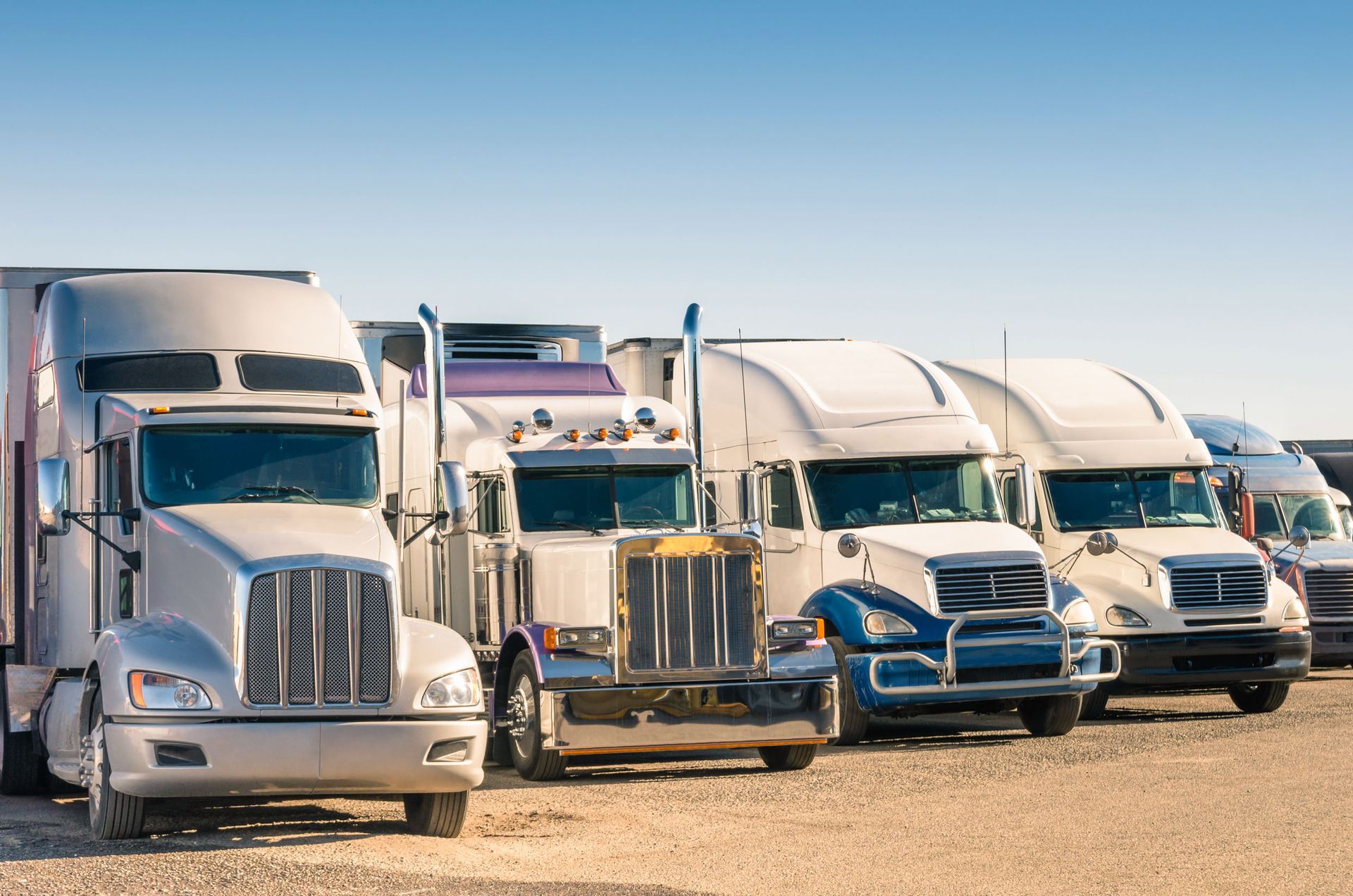
Understanding inventory scope is a foundational step when engaging with a truck dealer. Evaluating what makes, models, and configurations are currently available allows buyers to assess fit against operational requirements, payload demands, and route conditions. Inventory transparency also provides insight into availability timelines, which can significantly impact deployment schedules.
A well-established truck dealer maintains a diverse inventory portfolio that supports multiple applications, from regional hauling to specialized commercial operations. This breadth allows buyers to compare specifications, assess performance trade-offs, and make decisions grounded in operational alignment rather than constrained availability.
Inventory discussions also surface whether certain units are immediately available or require advance ordering, which is critical for organizations operating under tight delivery or expansion timelines.
How Does the Total Cost of Ownership Break Down?
Purchase price alone does not reflect the true financial impact of acquiring commercial trucks. A strategic conversation with a truck dealer should focus on total cost of ownership, encompassing acquisition cost, maintenance, fuel efficiency, depreciation, and long-term operating expenses.
With large trucks representing a meaningful portion of the national vehicle ecosystem, long-term cost planning is essential. According to Geotab, the U.S. has 13 million large trucks, accounting for 5% of all registered vehicles. This scale reinforces the importance of viewing trucks as long-term capital assets rather than short-term purchases.
A knowledgeable truck dealer will provide lifecycle cost insights that enable financial forecasting, ROI modeling, and budget optimization. This approach empowers decision-makers to compare options based on sustained value rather than upfront savings.
What After-Sales Support and Service Capabilities Are Offered?
Post-purchase support is a critical differentiator when selecting a truck dealer. Service capabilities directly affect vehicle uptime, maintenance efficiency, and overall fleet reliability. Understanding what support structures are in place ensures that your organization can maintain operational momentum long after delivery.
A reputable truck dealer will outline service offerings such as in-house maintenance, certified technicians, parts availability, and service turnaround expectations. This discussion should also clarify how service requests are managed, how downtime is minimized, and how escalations are handled when issues arise.
Strong after-sales support transforms a truck dealer from a transactional supplier into a value-driven partner invested in long-term fleet performance.
What Warranty Coverage and Protection Plans Are Included?
Warranty clarity is essential for managing operational risk and protecting capital investments. Engaging a truck dealer on warranty terms ensures transparency around coverage duration, component inclusions, and maintenance requirements tied to warranty validity.
In addition to standard manufacturer warranties, many truck dealers offer extended protection plans that further mitigate exposure to unexpected repair costs. Understanding these options enables organizations to align coverage levels with risk tolerance and operational intensity.
A structured warranty discussion also sheds light on how claims are processed, whether service is centralized or transferable, and how warranty work integrates with routine maintenance schedules.
What Financing and Leasing Options Are Available?
Fleet acquisition strategies must align with broader financial objectives. A comprehensive discussion with a truck dealer about financing and leasing options allows organizations to structure purchases in ways that preserve liquidity, manage cash flow, and support growth initiatives.
Truck dealers with financing expertise can outline capital purchase models, lease agreements, and hybrid structures tailored to different business needs. These conversations often include term lengths, interest considerations, and budget predictability, all of which support informed financial planning.
Flexible financing solutions position organizations to scale efficiently without compromising financial stability.
How Is Regulatory Compliance Supported?
Compliance considerations are non-negotiable in the commercial trucking environment. A capable truck dealer should demonstrate a clear understanding of federal and state regulations and how their vehicles align with current standards.
This includes emissions compliance, safety requirements, and evolving regulatory mandates that impact fleet operations. Understanding how a truck dealer supports compliance reduces the risk of fines, operational disruptions, and costly retrofits.
Proactive compliance guidance also signals that the dealer is invested in helping customers operate responsibly and sustainably within the regulatory framework.
What Technology and Telematics Capabilities Are Integrated?
Modern fleets rely heavily on data-driven insights to optimize performance. Asking about technology integration allows buyers to understand how vehicles support telematics, diagnostics, and real-time monitoring.
A forward-thinking truck dealer will explain how onboard systems integrate with fleet management platforms, support predictive maintenance, and enhance driver accountability. These capabilities enable organizations to make informed operational decisions based on actionable data.
Technology alignment also ensures compatibility with existing systems, minimizing disruption during fleet integration.
How Are Trade-Ins and Asset Transitions Managed?
For organizations replacing or upgrading existing fleets, asset disposition plays a critical role in overall value realization. Discussing trade-in options with a truck dealer clarifies how legacy equipment can be leveraged to offset acquisition costs.
A structured trade-in process simplifies transitions, accelerates fleet refresh cycles, and reduces administrative burden. Understanding valuation methodologies and logistics support helps organizations plan upgrades with confidence.
This approach supports efficient capital recycling while minimizing downtime during fleet transitions.
What Are the Delivery and Onboarding Expectations?
Delivery timelines and readiness processes directly impact operational planning. Engaging a truck dealer on delivery logistics ensures clarity around scheduling, inspections, documentation, and vehicle handoff procedures.
Well-defined delivery processes reduce uncertainty and support seamless integration into active operations. This discussion also sets expectations for any onboarding support, training, or orientation provided at delivery.
Execution discipline at this stage reinforces confidence in the dealer's operational maturity.
How Does the Dealer Demonstrate Long-Term Partnership Value?
Beyond the initial transaction, organizations benefit from understanding how a truck dealer approaches long-term collaboration. Strategic alignment discussions reveal whether the dealer is positioned to support future growth, evolving needs, and ongoing optimization.
A partner-oriented truck dealer will articulate a commitment to continuous improvement, proactive communication, and sustained value delivery. This mindset transforms the relationship from a single purchase into an ongoing strategic alliance.
Selecting the right truck dealer is a decision that extends far beyond inventory availability. By structuring conversations around the right questions, organizations gain visibility into value drivers, risk mitigation strategies, and long-term support capabilities.
A disciplined, question-driven approach empowers buyers to make confident decisions that align with operational objectives, financial priorities, and future growth plans. When approached strategically, working with the right truck dealer becomes a catalyst for efficiency, resilience, and sustained competitive advantage. If you're looking for a reliable truck dealer for your business, contact Michiana Truck Center today. We offer a comprehensive range of services, from sales to repairs, all designed to keep you on the road and your business moving forward. Our knowledgeable team cannot wait to assist you.